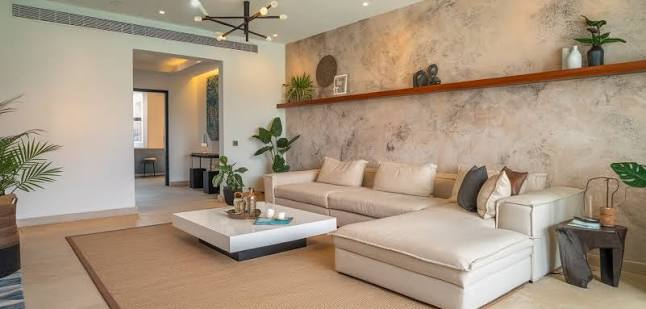
The contemporary interior design have abandone the flat decorative wall elements and is heading towards expressive material use. During this evolution, Plaster Art has evolved into a defining characteristic of modern spaces.
Sculptural Depth, Tactile Surfaces Minimalist Elegance Plaster Wall Art Collection Different from layers of paint on a canvas, these paintings move to respond very uniquely with lightspace; they have developed a Breath Valley — as Wall Texture.
What Makes Plaster Art Different?
Plaster Art is not only visual — it is physical. The individual works are constructed layer by layer with plaster materials out of which bulging surfaces and sculpture-types are mixed. It gives a three-dimensional experience on the wall.
Unlike printed artwork, plaster-based art:
Has physical depth and texture
Responds to lighting changes
Creates natural shadow effects
Feels architectural rather than decorative
This quality grants it suitability for contemporary, minimalist interiors where simplicity must balance with depth.
Design with Texture on the Wall Walls as a favourable લેવitation Interior Design
The final 1st Thing wall Texture has a fantastic impact on the feel of a space. Many flat walls look dull, while a surface with finish, pores etc., makes it more interesting and emotional warmth.
Plaster-based wall texture lends these enhancements to your interiors:
Breaking visual monotony
Adding soft shadow movement
Creating architectural depth
Introducing natural material feel
Plaster art is most impactful in any design forward environment, and this subtle improvement will help you add your shimmering touch.
The Minimalist Philosophy Surprising Plaster Wall Art
It is less about empty space, more about a calculated choice. (Illustrator David Plunkert) The mantra for the Plaster Wall Art collection (which works from this ebook-like philosophy) is no clutter, just form and texture.
Minimalist elegance is achieved through:
Neutral color palettes
Controlled surface variation
Soft sculptural transitions
Balanced composition
This makes the artwork well-balanced with contemporary interiors.
Plaster Art Interior Spaces Made Over
Whether plaster-based artworks influence interiors in a slow burn, but significant manner They don’t dominate the space; they enliven it.
In modern homes, Plaster Art:
Creates a calm focal point
Adds depth to plain walls
Enhances lighting effects
Improves spatial balance
It works extremely well in minimal interiors where all the details count.
Light Interaction and Shadow Play
A striking characteristic of Wall Texture plaster art is how it plays with light.
As the day goes on and the lighting is dependent :
Morning light reveals soft highlights
Afternoon light enhances surface detail
Evening lighting deepens shadows
Such a dynamic effect gives the impression that the artwork lives its own life.
Ideal Interior Applications
This is where we train the Plaster Wall Art collection:
Living Rooms
Offers a subdued yet striking feature wall
Bedrooms
Makes it calmer and adds a small visual depth.
Offices
Enhances focus and professional atmosphere.
Luxury Interiors
Complements high-end architectural design.
Styling Guidelines for Maximum Impact
Minimal Interiors — to emphasize the Plaster Art!
Opt [for] neutral wall colors such as white, beige or grey
Avoid heavy decorative furniture
Use warm directional lighting
Keep surrounding space visually clean
This makes Wall Texture the prime tangible visual element.
Why Designers Prefer Plaster Art
Why Do Interior Designers Go For Plaster-Based Artworks:
Versatile across design styles
Timeless and non-trendy
Material-driven and architectural
Emotionally subtle yet visually strong
It most certainly would fit into a contemporary luxury home.
Conclusion
Collection Adding with Plaster Wall Art Changes the Way You Think about Wall Decor It metamorphoses regular walls into sculptural, design-centric interior elements with the deftness of Plaster Art designs and expressive Wall Texture.