
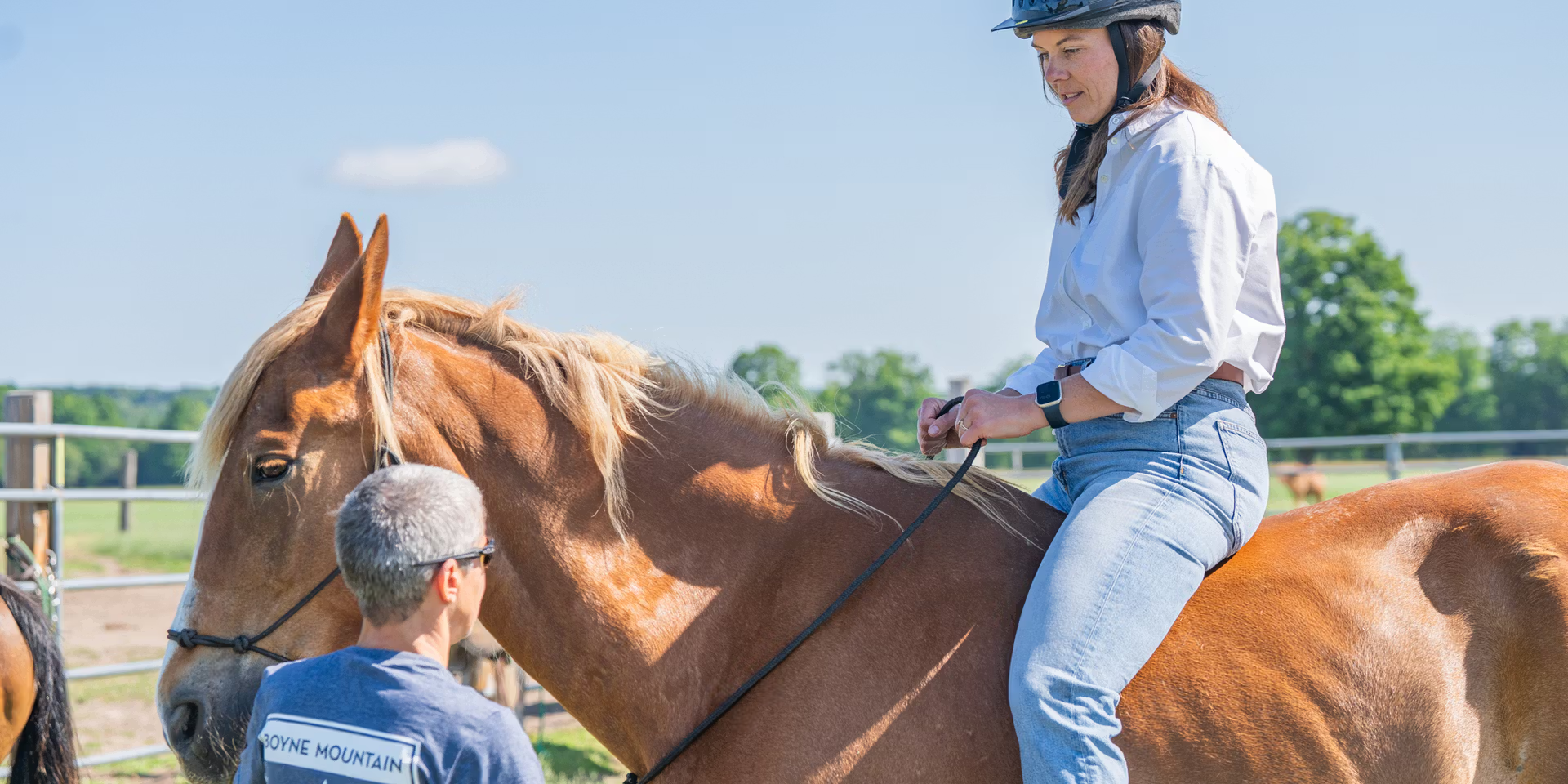
Horseback riding is a timeless activity that blends sport, recreation, and a deep connection with animals. It has been practiced for thousands of years and remains popular today for leisure, competition, farming, and therapy. Whether someone is a beginner or an experienced rider, horseback riding offers physical, mental, and emotional benefits that make it a unique and rewarding experience.
At its core, horseback riding is about communication between rider and horse. Horses are highly intelligent animals that respond to voice commands, body posture, and subtle movements. Learning how to guide a horse properly takes patience and practice. Riders must develop trust and understanding with their horse to ensure smooth and safe riding experiences.
One of the biggest benefits of horseback riding is physical fitness. Riding a horse engages the core muscles, legs, and back while also improving balance and coordination. Even at a walking pace, riders must constantly adjust their posture to stay aligned with the horse’s movement. This makes horseback riding a full-body workout that is both enjoyable and effective.
There are several styles of horseback riding, each with its own techniques and traditions. English riding is often seen in competitions such as dressage and show jumping. It focuses on precision, posture, and control. Western riding, which developed from ranch work, uses a different saddle and emphasizes comfort, endurance, and practical handling of cattle. Both styles offer unique experiences for riders of all levels.
Trail riding is one of the most popular forms of recreational horseback riding. It involves riding through natural environments such as forests, mountains, beaches, and open countryside. Trail riding allows riders to relax, enjoy scenery, and experience nature in a peaceful way. It is especially popular for beginners and tourists looking for a calm outdoor activity.
For beginners, horseback riding lessons are essential. Professional instructors teach students how to mount and dismount safely, hold reins correctly, and maintain balance while riding. Lessons also cover horse behavior, grooming, and basic care. Starting with guided lessons helps new riders build confidence and avoid common mistakes.
Safety is a very important part of horseback riding. Riders should always wear helmets and appropriate riding gear to reduce the risk of injury. Horses must also be properly trained and well cared for to ensure safe interaction. Understanding horse behavior is important because horses can react to sudden sounds, movements, or unfamiliar surroundings.
Horse care is closely connected to horseback riding. Riders often help with grooming, feeding, and cleaning horses before and after rides. Grooming helps keep the horse healthy and comfortable while also strengthening the bond between horse and rider. Regular veterinary care, proper feeding, and clean living conditions are essential for a horse’s well-being.
Horseback riding is also widely used in sports and competitions. Events like dressage, show jumping, and horse racing require skill, training, and teamwork between horse and rider. Competitive riding demands discipline, practice, and strong communication skills. These events are popular worldwide and attract both participants and spectators.
In addition to recreation and sport, horseback riding is used in therapy programs. Equine-assisted therapy helps people with physical disabilities, emotional challenges, or developmental conditions. Interacting with horses can improve confidence, reduce stress, and enhance communication skills. This therapeutic use of horseback riding continues to grow in healthcare and rehabilitation programs.
In conclusion, horseback riding is a meaningful and versatile activity that offers physical exercise, emotional connection, and recreational enjoyment. From trail riding and lessons to competitive sports and therapy, it provides something valuable for everyone. With proper training, safety awareness, and respect for horses, horseback riding can be a lifelong and fulfilling experience.