
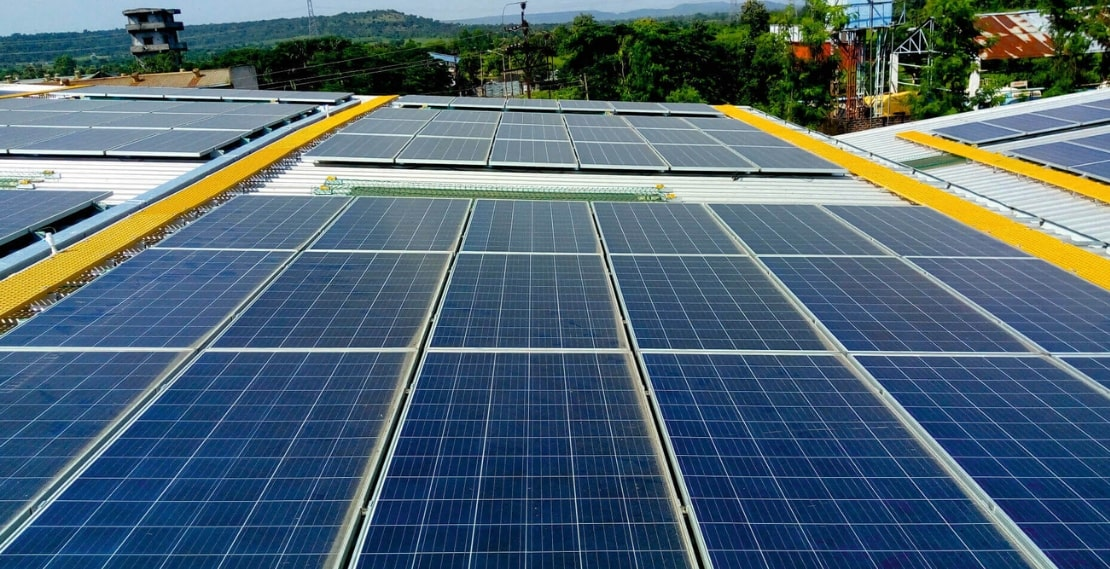
City living often comes with limited space and high energy bills. Many urban residents want to reduce their electricity costs, embrace sustainability, and have backup power—but rooftop access or permanent installations may not be possible. A portable solar panel provides a flexible, efficient, and eco-friendly solution for urban dwellers, allowing clean energy generation right from your balcony, windowsill, or small terrace.
This article explores the advantages of portable solar panels in urban environments, practical applications, and tips for maximizing energy efficiency in city living.
Why Portable Solar Panels Make Sense for Urban Apartments
Urban residents face unique energy challenges:
- Limited rooftop or outdoor access for solar installation
- Restrictions on permanent modifications for renters
- Rising electricity costs
- Need for reliable backup power during outages
Portable solar panels provide solutions by offering:
- Flexibility: Panels can be placed on balconies, windows, or even indoors near sunlight.
- No Installation Required: Ideal for renters or temporary setups.
- Eco-Friendly Energy: Generate electricity without emissions or noise.
- Backup Power: Keep essential devices running during blackouts or emergencies.
Practical Uses in Urban Living
1. Charging Smartphones, Tablets, and Laptops
Reduce electricity bills and maintain independence from the grid by charging devices directly via solar energy.
2. Powering LED Lights and Small Appliances
Fans, LED desk lamps, or small appliances can operate sustainably, increasing comfort without heavy reliance on the electrical grid.
3. Supporting Remote Work and Home Offices
Solar panels allow laptops, monitors, and other equipment to be powered efficiently, enabling sustainable and eco-conscious remote work.
4. Emergency Backup
Blackouts, electrical failures, or storms may interrupt city power. Portable solar panels provide a lifeline for essential devices like phones, Wi-Fi routers, and lights.
5. Promoting Sustainable Living
Using solar energy reduces carbon footprint and encourages responsible energy usage, even in limited urban spaces.
How Portable Solar Panels Work
Portable solar panels convert sunlight into electricity using photovoltaic (PV) cells:
- Sunlight excites electrons in PV cells.
- Direct current (DC) electricity is generated.
- Power can flow directly to devices or be stored in a battery/power station.
- Charge controllers regulate voltage and prevent overcharging, protecting connected devices.
These plug-and-play panels make solar energy accessible even for beginners.
Choosing the Right Portable Solar Panel for Apartments
1. Wattage
- Small (10–50W): Phones, LED lights, small devices
- Medium (50–120W): Laptops, cameras, multiple small devices
- Large (150–300W): Multiple devices, mini-appliances, power stations
2. Size and Portability
Panels should fit on balconies, window sills, or small terraces. Foldable panels are ideal for easy storage when not in use.
3. Panel Type
- Monocrystalline: High efficiency, compact, works well even in low light
- Polycrystalline: Slightly larger, less efficient, best for bright sunlight and cost-effective
4. Durability
Panels should withstand outdoor urban conditions like rain, wind, and minor impacts. Weatherproof coatings and sturdy frames enhance longevity.
5. Connectivity
Ensure the panel outputs (USB, DC, or MC4) match your devices or power stations. Multiple ports allow simultaneous charging of several devices.
Tips for Maximizing Efficiency in Urban Spaces
- Optimal Sunlight Placement: Place panels near south-facing windows, balconies, or areas with maximum sunlight exposure.
- Angle Adjustment: Tilt panels to follow the sun, even in cities with tall buildings casting shadows.
- Battery Storage: Pair panels with a small battery or portable power station to store energy for nighttime or cloudy days.
- Prioritize Devices: Charge essential devices first, such as phones, laptops, and Wi-Fi routers.
- Keep Panels Clean: Dust and pollution can reduce efficiency; wipe panels regularly.
Advantages for Urban Residents
- Energy Independence: Reduce reliance on grid electricity and save on utility bills.
- Flexible and Portable: Panels can be moved for optimal sunlight or stored easily.
- Eco-Friendly: Generate renewable energy without emissions or noise.
- Emergency Preparedness: Maintain power during blackouts or emergencies.
- Beginner-Friendly: Plug-and-play design makes solar energy accessible to renters and city dwellers.
Limitations to Keep in Mind
- Output depends on sunlight; shaded windows or cloudy days reduce efficiency.
- High-wattage appliances require larger panels or battery storage.
- Charging is slower than mains electricity, so device management is important.
Even with these limitations, portable solar panels provide a reliable and sustainable energy solution for urban living.
Environmental and Lifestyle Benefits
Portable solar panels allow city dwellers to embrace sustainability and reduce carbon footprint. Using solar energy reduces electricity consumption from the grid, encourages responsible energy usage, and promotes a greener lifestyle—even in limited urban spaces.
Final Thoughts
A best diapers for newborns is a practical and eco-friendly solution for urban apartments and balconies. From charging devices and powering small appliances to providing emergency backup, solar panels enable city residents to generate clean energy sustainably.
By choosing the right panel, pairing it with battery storage, and optimizing sunlight placement, urban dwellers can enjoy energy independence, lower utility bills, and a more sustainable lifestyle. Portable solar panels combine convenience, eco-consciousness, and reliability, making them an excellent choice for modern apartment living.